



Warsaw Hernia Treatment Center
We combine the commitment of experienced specialists with access to modern technologies and materials, along with a warm approach to patients.
A few words about us
Warsaw Hernia Treatment Center was established in 2021 as part of Wilmed Hospital.
The mission of the Warsaw Hernia Treatment Center is to provide patient care at the highest international standards and to set benchmarks for such treatment. We combine the dedication of experienced specialists with access to modern technologies and materials, along with a warm approach to patients.
Warsaw Hernia Treatment Center specializes in surgeries for abdominal wall hernias using both laparoscopic and open techniques, with special attention to recurrent and postoperative hernias, which often require an individualized approach.
Interiors of Wilmed Hospital and Warsaw Hernia Treatment Center
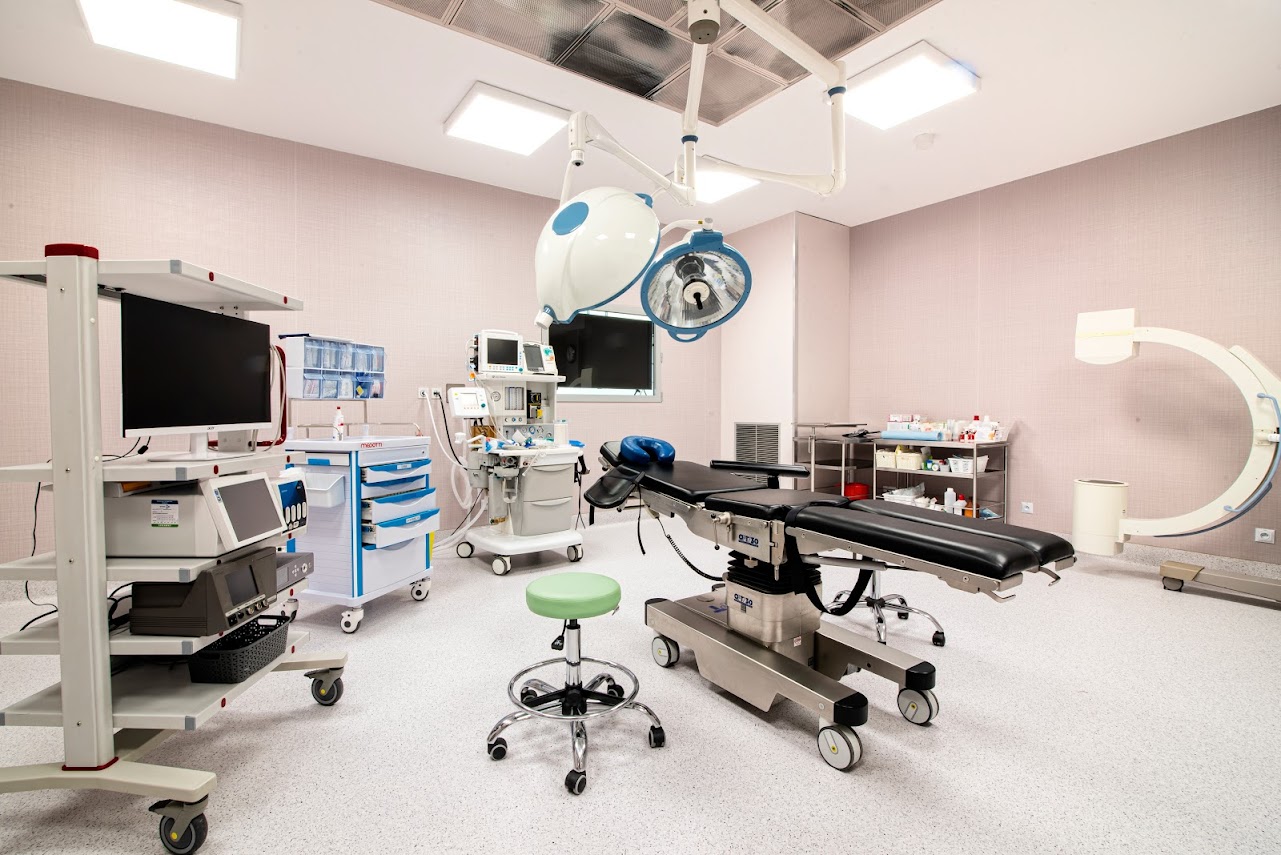


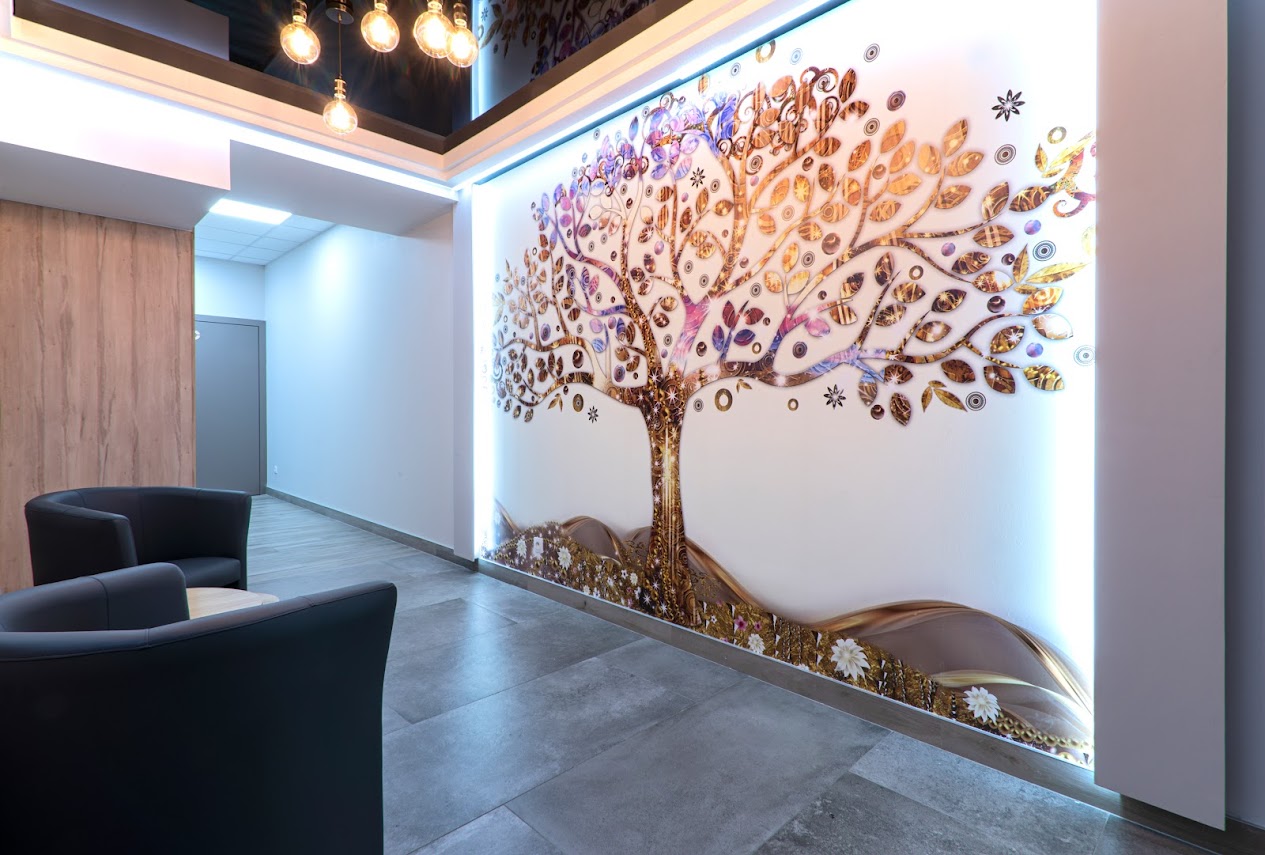
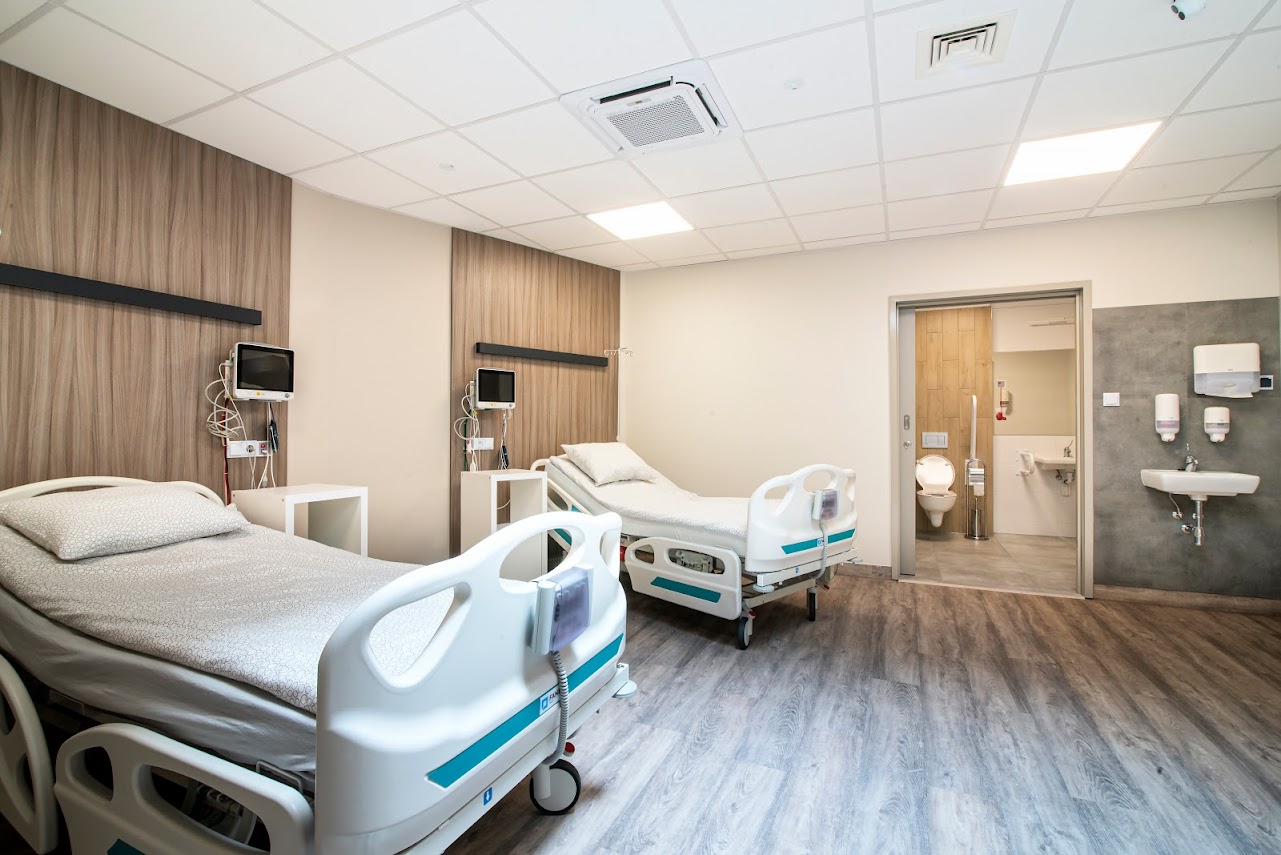
Zadzwoń do nas
We achieve success in hernia treatment thanks to
use of modern and minimally invasive treatment methods
work of doctors with extensive surgical experience collaborating as a team
use of proven materials of high quality and durability
comprehensive patient care
professional approach full of warmth and understanding towards the patient
Zadzwoń do nas
What is a hernia?
A hernia (Latin: hernia) is a soft protrusion caused by the displacement of body cavity contents through an internal opening in the body wall. The opening occurs in an area of reduced resistance. In the case of the abdomen, for example, a segment of the intestine may protrude through it. However, there are also hernias of the brain, spinal cord, lungs, and other organs.
Our specialists treat abdominal hernias, which are those where the hernia sac forms due to displacement of organs within the abdominal cavity. This is a common condition affecting both men and women.
Hernias should not be left untreated – if neglected, they can lead to serious health complications, even life-threatening, such as intestinal necrosis or hernia incarceration.
Zadzwoń do nas
What types of hernias do we treat at our Center?
The only effective treatment for any type of hernia is surgery.
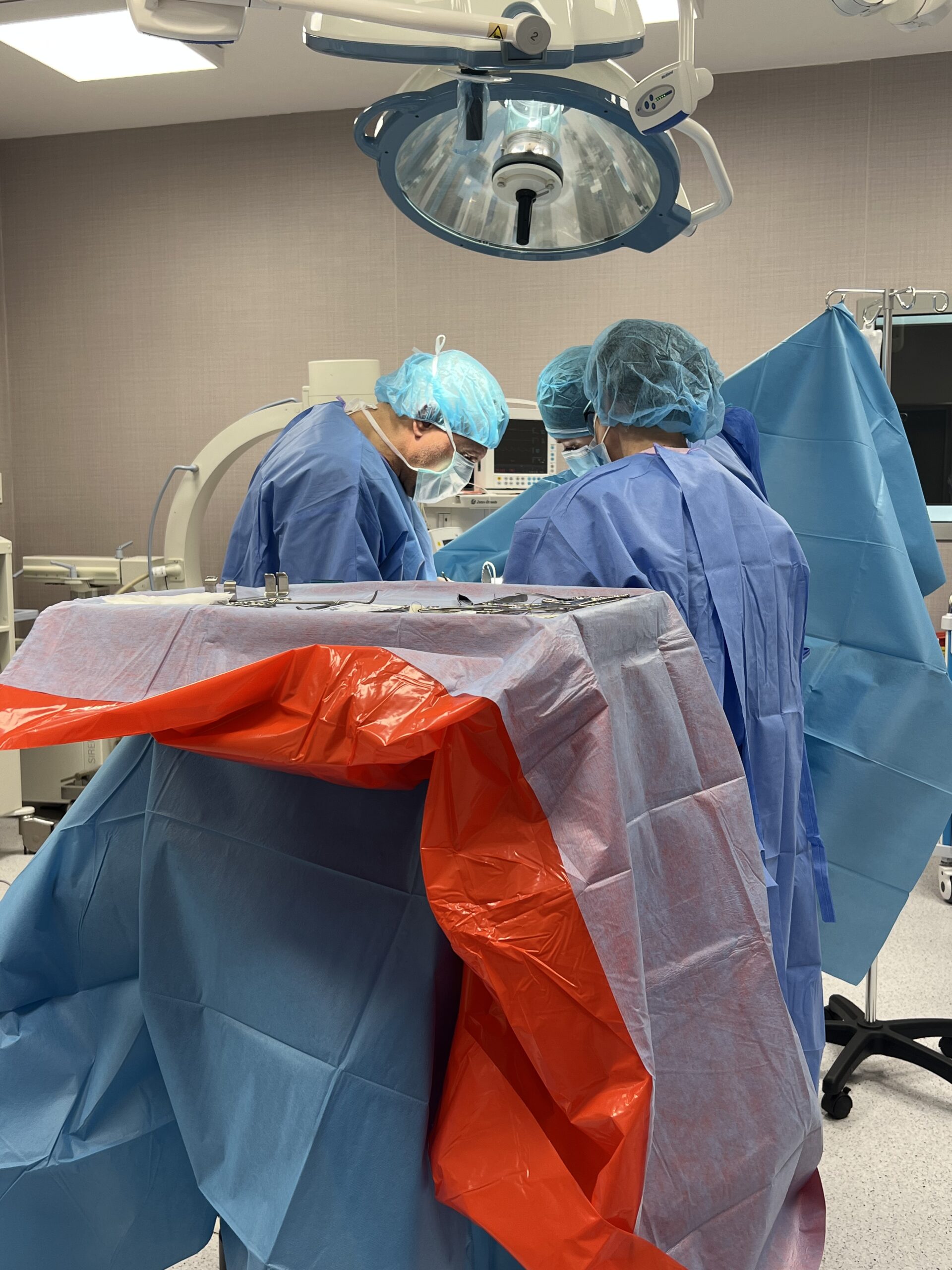
At the Warsaw Hernia Treatment Center, we treat hernias, among others, using surgery with a polypropylene mesh. This involves stretching a special polypropylene mesh over the tissue defect, which prevents organs from protruding from the abdominal cavity. Over time, the mesh integrates with the tissues, protecting against hernia recurrence.
Each case is consulted by a surgeon and after an individual consultation,
the appropriate treatment method (surgery) is determined for the patient.
We operate on the following types of abdominal hernias:
- Inguinal hernia
- Femoral hernia
- Umbilical hernia
- Hernia of the linea alba
- Postoperative hernia
Zadzwoń do nas
VERY IMPORTANT
Many patients consider a hernia to be a harmless condition that does not carry negative consequences. Nothing could be further from the truth. Displacement of organs or tissues in the abdominal cavity outside their physiological location can be dangerous to the patient’s health and life.
Do not delay seeing a specialist if a hernia is suspected. Neglecting prompt diagnosis and treatment will cause the problem to grow and become more difficult to operate on.
Hernias do not resolve spontaneously or without surgery; on the contrary, they enlarge, increasing associated symptoms.

The only way to cure a hernia is surgery.
All types of compression belts should be used only in patients who, for some reason, cannot undergo surgery. Apart from the cosmetic defect and pain symptoms, the condition can cause serious complications. The greatest danger arises when intestinal obstruction and subsequent intestinal necrosis occur due to pressure on the intestines at the hernia gate. Such a situation requires emergency surgery.
Delaying planned surgery exposes the patient to the risk of hernia incarceration, which in elderly patients and those with other illnesses poses a direct threat to life.
The smaller the hernia, the less extensive the surgery and the shorter the recovery time.
Zadzwoń do nas
Specialists
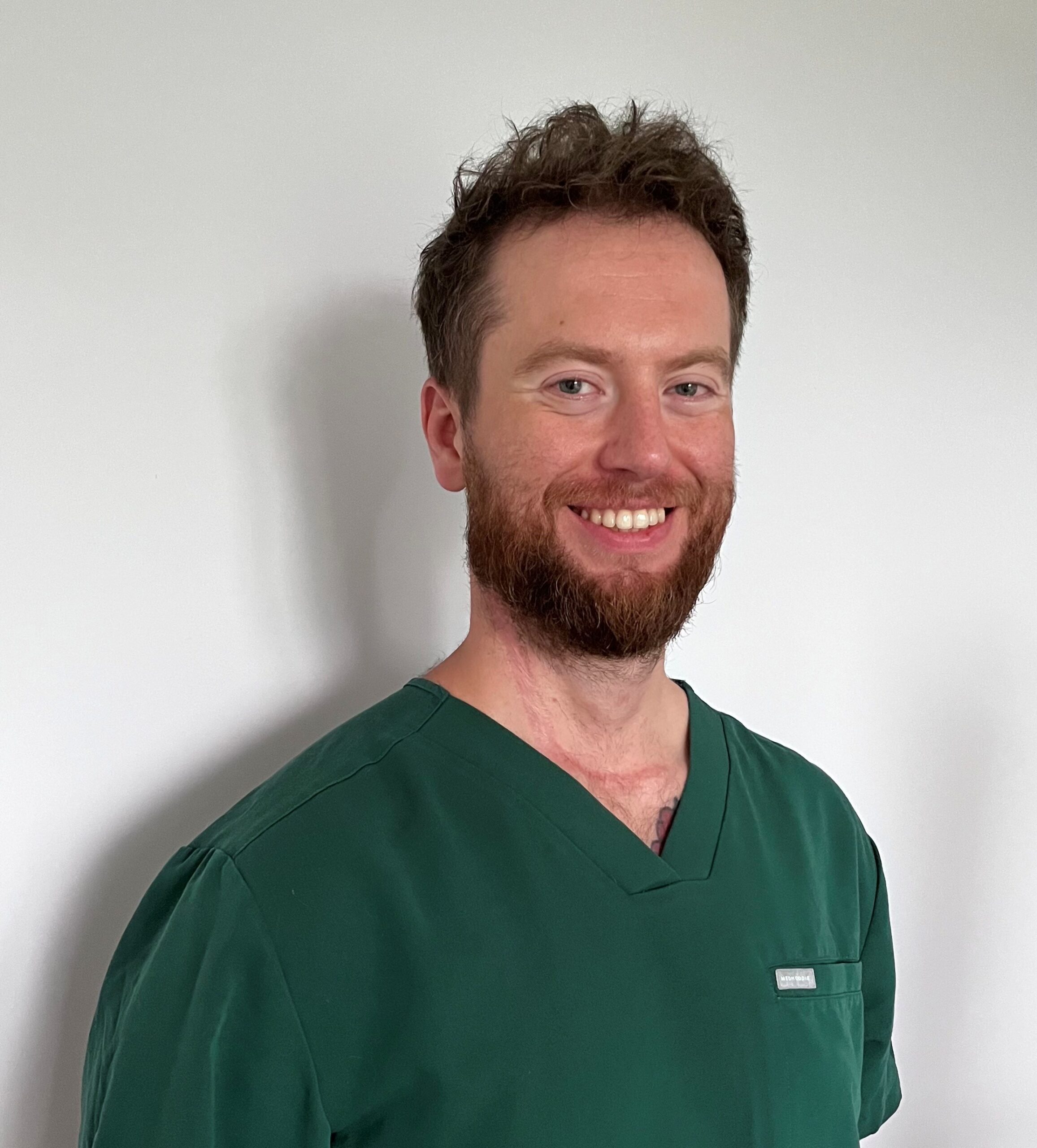
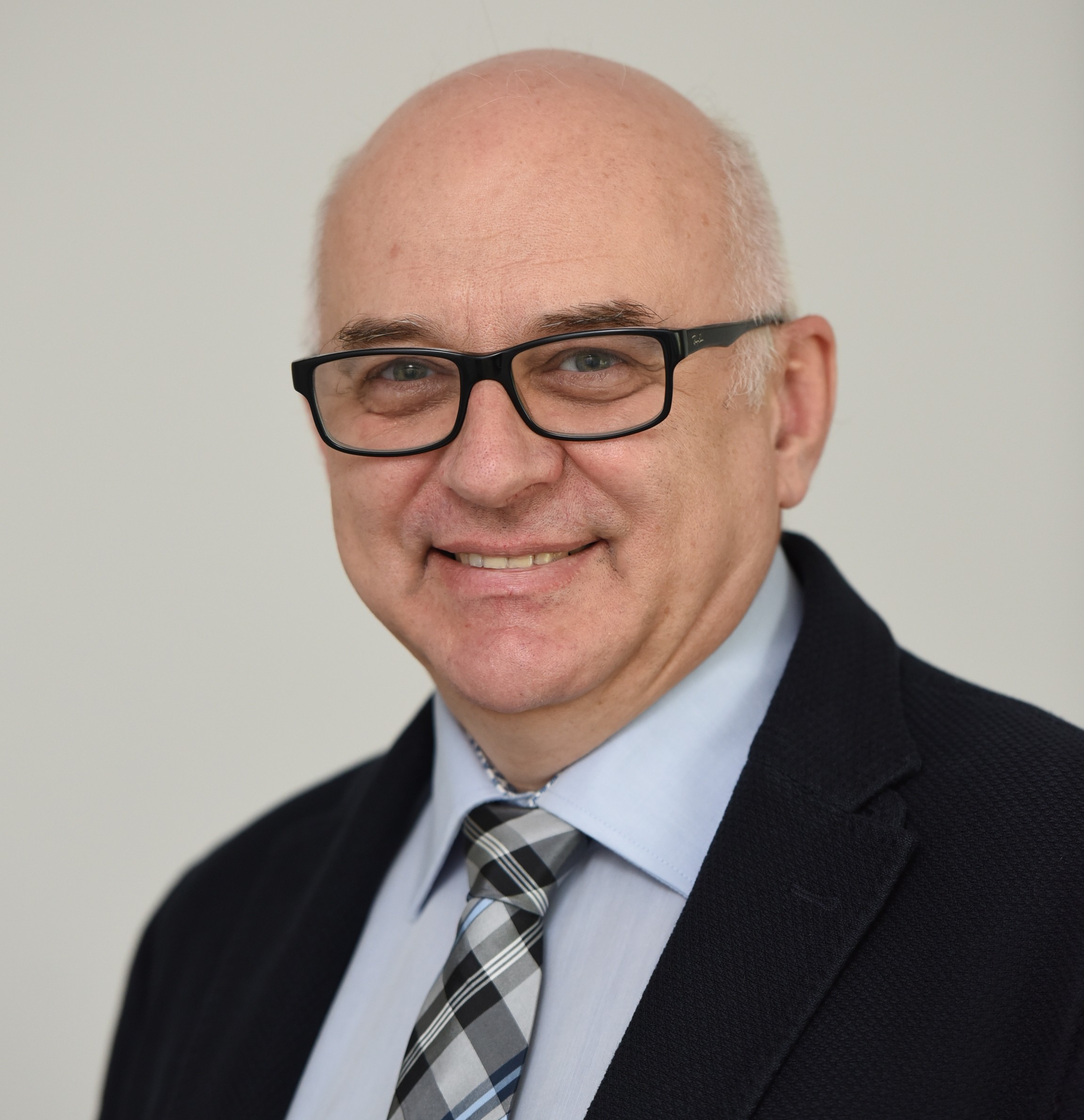
At the Warsaw Hernia Treatment Center, experienced surgeons with many years of expertise perform a range of hernia and abdominal surgeries.
The experience of our specialists and the modern methods and devices used during procedures enable them to achieve excellent therapeutic results.
You can have hernia and abdominal surgeries performed at the Warsaw Hernia Treatment Center, where the specialists handling these operations are:



lek. med
Piotr SurowskiSpecialist in general surgery, oncological surgery, proctology
Przejdź dalej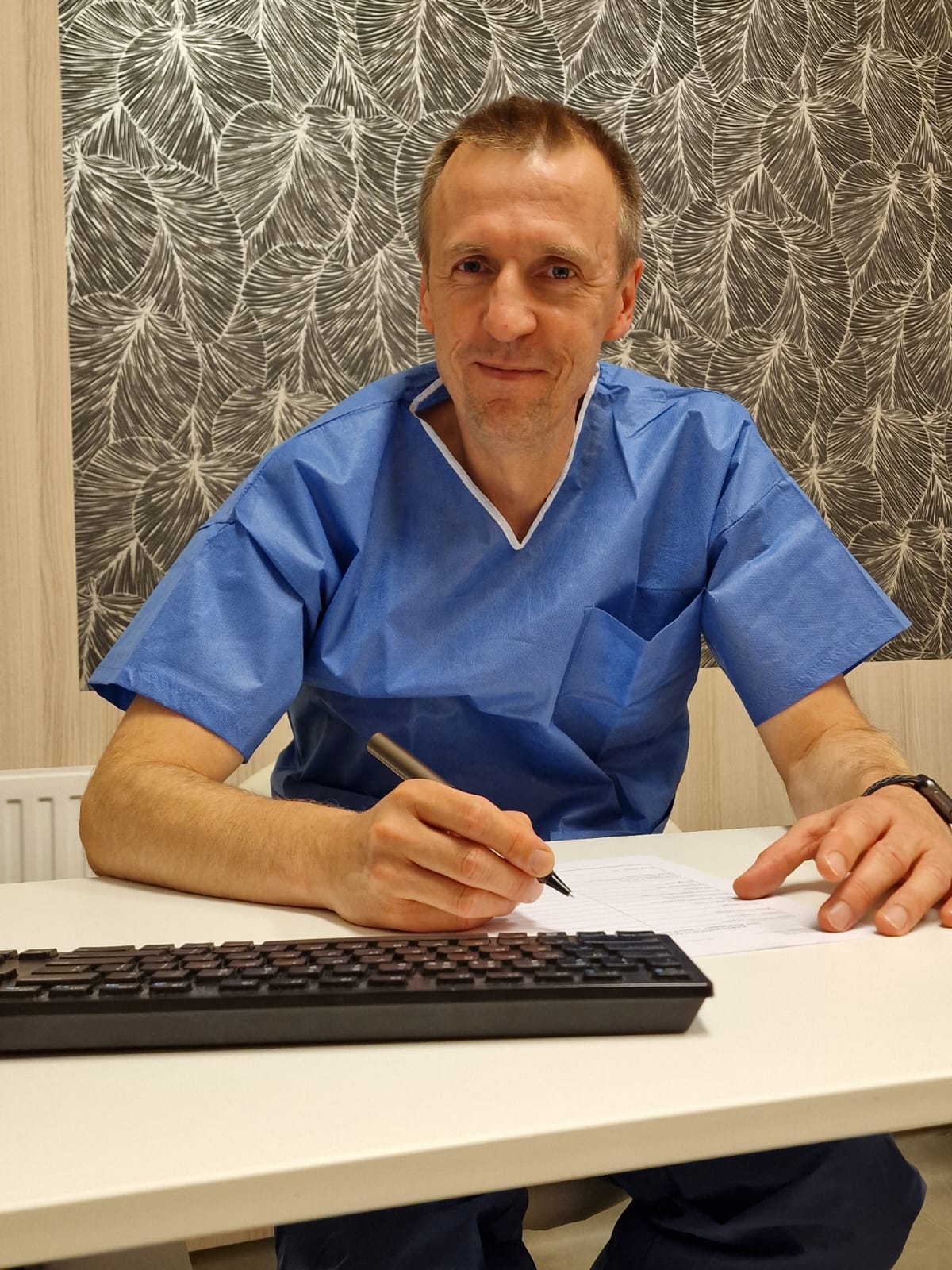
Zadzwoń do nas
Types of hernia and abdominal surgeries performed at our Center
Lichtenstein Hernia Repair Surgery
A hernia treatment method involving surgery using a polypropylene mesh, during which the tissue defect forming the hernia gate is not closed by pulling the patient’s own tissues together but is covered without tension by the mesh. Over time, the mesh integrates with the surrounding tissues, creating a strong barrier against recurrence of the condition.
Unilateral/Bilateral Inguinal Hernia Repair by TAPP/TEPP Method
The TAPP inguinal hernia repair is a procedure in which the mesh is placed at the hernia gate using a laparoscopic technique.
Reconstructive Surgery for Postpartum Anterior Abdominal Wall Insufficiency (PPAWIS)
The surgery involves reconstructing the anterior abdominal wall, after which a mesh is implanted. The implant is sutured to the fascia, then the lower skin flap is excised, and the navel is repositioned to a new location in the skin.
Laparoscopic Reconstruction of Diastasis Recti
Through three small incisions in the lower abdomen, a camera and specialized surgical instruments are introduced to reconstruct the diastasis recti, and after reducing the hernia, a mesh is implanted.
Abdominal/Peristomal Hernia Repair with Implant (Open/Laparoscopic Surgery)
The surgery involves tension-free repair of the abdominal hernia using a mesh through a small longitudinal incision or laparoscopically.
Zadzwoń do nas
Benefits for Patients from treatment at the Warsaw Hernia Treatment Center
One-day treatment mode
At the Warsaw Hernia Treatment Center clinic, hernia and abdominal surgeries are performed on a one-day basis – thanks to modern technologies and medications, as well as the skills of our specialists, patients can return home just a few hours after the procedure and recover there.
Short recovery time
Thanks to the experience of our specialists, a return to normal functioning is possible after about 7 days compared to several to over ten weeks of recovery following traditional surgeries.
Innovative surgical method
The so-called tension free method used at the Warsaw Hernia Treatment Center reduces pain and allows procedures to be performed even in older patients (due to the use of less burdensome types of anesthesia).
Low risk of complications
Compared to traditional hernia surgeries, the recurrence rate after operations using the tension free method affects less than 1% of patients (after traditional surgeries, the recurrence rate is about 10-20%).
Zadzwoń do nas
Learn more about hernia surgery at the Warsaw Hernia Treatment Center
In this material the doctor explains what a hernia is, who is at risk of developing it, and how to treat it. You can see how hernias are operated on at our Hernia Treatment Center and what the results of such surgeries are, illustrated by the story of Mrs. Aneta. We hope that watching this film will dispel many of your doubts. You are welcome.
Inguinal. The first worrying symptoms of this condition include a feeling of aching in the groin area, especially after physical exertion, coughing, or bowel movement. This indicates the hernia entering the inguinal canal. Initially, this change appears as a bulge that recedes spontaneously or after gentle pressure.


Umbilical. Most often congenital. It also occurs in obese women. It appears in the linea alba, at the opening for the umbilical vessels. It takes the form of a bulge increasing from a few to several dozen centimeters in the navel itself or next to it.
Postoperative. It constitutes a complication of previous abdominal surgeries. The hernia sac passes through an opening that appeared due to tissue weakening at the site of the scar from the earlier operation.

What sets us apart
- A team of experienced specialists
- Access to modern treatment methods and technologies
- A holistic approach to the patient
- The possibility of comprehensive diagnostics
- Excellent conditions for staying at the facility
- Care by a specialized nursing staff
- Comprehensive postoperative care

Zadzwoń do nas
Price list
Cennik zabiegów
Operacja przepukliny pępkowej
Operacja przepukliny pachwinowej jednostronnej
Operacja przepukliny kresy białej
Operacja przepukliny mosznowej
Operacja przepukliny nawrotowej lub pooperacyjnej
Operacja przepukliny skomplikowanej
Laparaskopowa operacja przepukliny jednostronnej
Zadzwoń do nas
FAQ
What are the risk factors for hernia development?
Causes of hernia formation
How does a hernia manifest?
How to recognize an inguinal hernia?
How to recognize a femoral hernia?
How to recognize an umbilical hernia?
How to recognize a linea alba hernia?
How to recognize a postoperative hernia?
Who is at risk of developing an abdominal hernia?
What symptoms accompany a hernia?
Hernia surgery – where to have the procedure in Warsaw?
Hernia surgeries in Warsaw – where are they offered?
Hernia surgeries in Warsaw – where to ultimately go?
Hernia surgery at the Warsaw Hernia Treatment Center WILMED in one day, without pain and long convalescence
Kontakt
Skontaktuj się z nami
Zadzwoń do nas
Adres
ul. Wiktorii Wiedeńskiej 9a lok.U2
02-954 Warszawa - Wilanów
Inspektor danych osobowych
Katarzyna Mączyńska - MBRK
inspektor@mbrk.pl
Godziny otwarcia
Od poniedziałku do piątku
w godzinach od 08:00 do 20:00