


Painless hemorrhoid removal
Neglecting prompt diagnosis and failing to undertake appropriate treatment will cause the condition to worsen, leading to severe painful symptoms.
What is hemorrhoidal disease?
Hemorrhoidal disease, also known as hemorrhoids, anal varices, or vascular cushions, involves the formation of protrusions in pathologically altered vascular plexuses located in the anal canal. Physicians distinguish several stages of the disease depending on the severity of the changes. In the initial stage, there is enlargement of the arteriovenous plexuses and stretching of the mucous membrane in the anal canal. The resulting swollen nodules enlarge and begin to bleed.
In the next stage, damage to blood vessels occurs, forming nodules that cause pain and bleeding during bowel movements. The advanced stage is characterized by significant weakening of the sphincter muscles, painful inflammation of the mucous membrane, and hemorrhoids protruding from the anus during defecation and straining. Larger nodules may permanently remain outside and be visible at the anal canal opening.
What are the symptoms of hemorrhoids?
Typical symptoms of hemorrhoidal disease include:
- bleeding and pain during bowel movements
- burning and itching around the anus
- a feeling of pressure, incomplete evacuation
- moisture around the anus, soiling of underwear (hygiene difficulties)
- prolapse of large nodules outside, visible at the anal canal opening
Methods of hemorrhoid treatment
Treatment of hemorrhoidal disease varies. In the early stages, when symptoms are mild, relief is often provided by medications in the form of ointments and suppositories applied locally, as well as systemic medications affecting the pathologically changed blood vessels. However, it should be remembered that pharmacological treatment can be effective only with the proper selection of medications for the specific patient under medical supervision. A patient who decides to self-treat with over-the-counter preparations may significantly worsen their health condition, leading to complications that are difficult to treat.
In more advanced cases, procedural treatment of hemorrhoids is necessary. In many cases, it is possible to use a modern procedural technique involving the placement of special constrictive rubber bands at the base of the hemorrhoids, causing their ischemia and necrosis. These procedures are painless and can be performed on an outpatient basis. They also do not require the burdensome anesthesia necessary for traditional surgeries, thus offering an option for patients for whom anesthesia is contraindicated for other reasons.
Call us
Specialists
The experience of our specialists and the use of modern methods and devices during procedures enable them to achieve excellent therapeutic results.
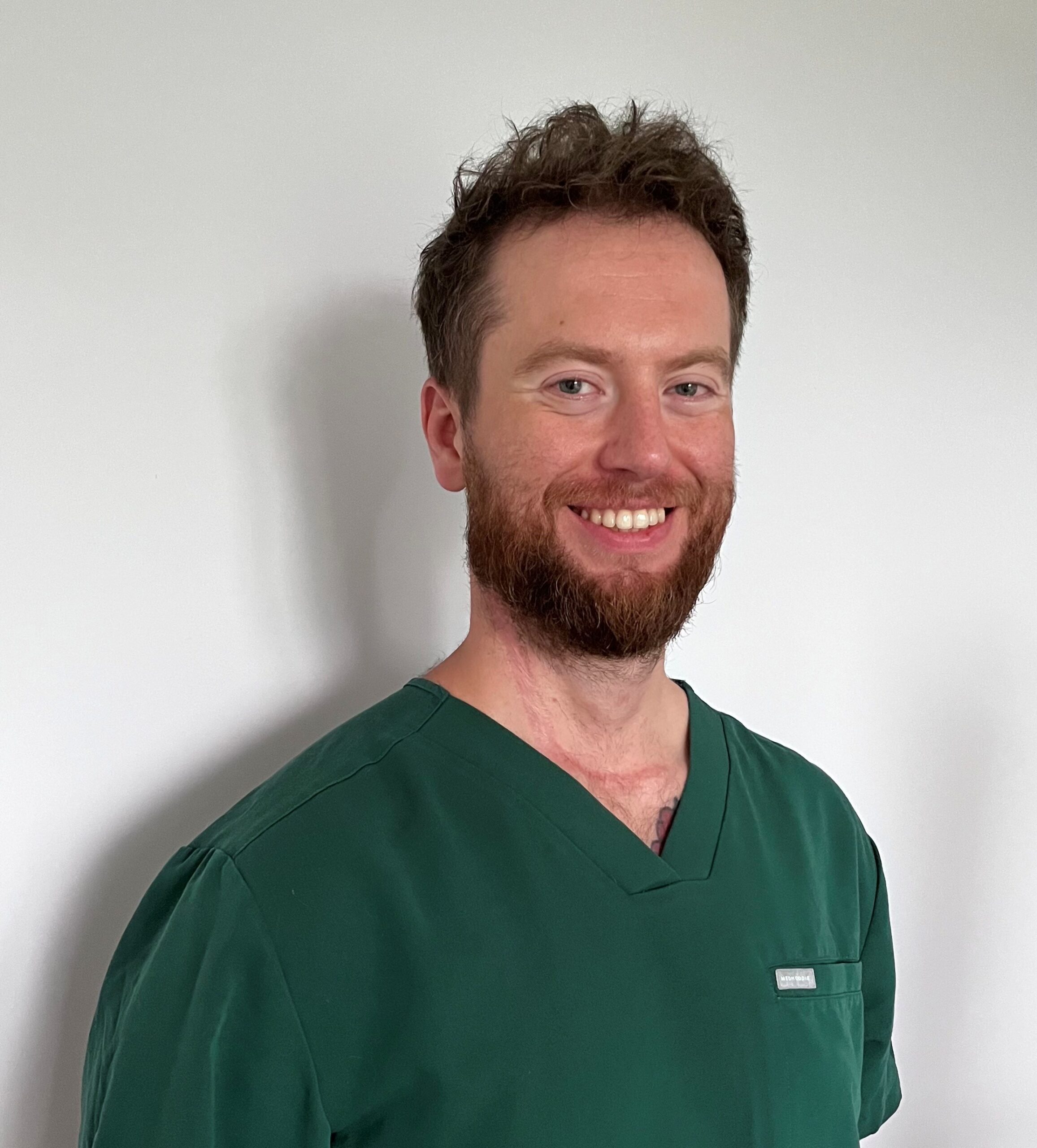
You can undergo a non-surgical hemorrhoid removal procedure at Wilmed Clinic, where the specialists treating this condition are:


Why should you not delay visiting a proctology specialist?
Rapid diagnosis of disease advancement is important
Neglecting prompt diagnosis and failing to initiate appropriate treatment will cause the condition to worsen, resulting in severe painful symptoms.
Starting treatment promptly is important
It is better to take advantage of outpatient treatment options than to allow the disease to progress to a stage requiring traditional surgery involving hospitalization, general anesthesia, and a painful and unpleasant postoperative period.
Accurate diagnosis of the condition is important
It should be remembered that symptoms characteristic of hemorrhoidal disease are not always caused by hemorrhoidal changes but may also be due to other serious conditions such as colorectal cancer. Only a medical examination can exclude such suspicions.
What does the non-surgical hemorrhoid removal procedure involve?
The non-surgical removal of diseased hemorrhoids is performed on an outpatient basis under local anesthesia. It involves placing special constrictive rubber bands at the base of the hemorrhoids, causing their ischemia and necrosis. The procedure lasts about 0.5 hours. After the procedure, the patient can independently return home. Before the procedure, a rectoscopic examination is performed, allowing the doctor to view the internal final section of the digestive tract.
What Sets Us Apart
- We provide care from experienced proctology specialists
- Procedures are performed using modern techniques and methods
- Patients can return home the same day
- Health outcomes combined with comprehensive proctological care
- We ensure full discretion and respect for patient privacy
Price list
Cennik zabiegów
Konsultacja proktologiczna
Konsultacja proktologiczna z anoskopią
Konsultacja proktologiczna z rektoskopią
Bezoperacyjne leczenie żylaków odbytu/hemoroidów – założenie 1 gumki podczas wizyty
Bezoperacyjne leczenie żylaków odbytu/hemoroidów – założenie 2 gumek podczas wizyty
Bezoperacyjne leczenie żylaków odbytu/hemoroidów – założenie 3 gumek podczas wizyty
Call us
FAQ
Who is at risk of developing hemorrhoidal disease?
What are the stages of hemorrhoidal disease progression?
When should the hemorrhoid removal procedure be performed?
Why is it necessary to treat hemorrhoids?
Non-surgical hemorrhoid removal – where to have the procedure in Warsaw?
Non-surgical hemorrhoid removal in Warsaw – where is it offered?
Non-surgical hemorrhoid removal in Warsaw – where to ultimately seek help?
Non-surgical hemorrhoid removal at Wilmed Clinic
Contact
Call us
Contact us
Address
ul. Wiktorii Wiedeńskiej 9a lok.U2
02-954 Warszawa - Wilanów
Data Protection Officer
Katarzyna Mączyńska - MBRK
inspektor@mbrk.pl
Opening hours
Monday to Friday
from 08:00 to 20:00